
Facts to Know About What is a Printing Toner
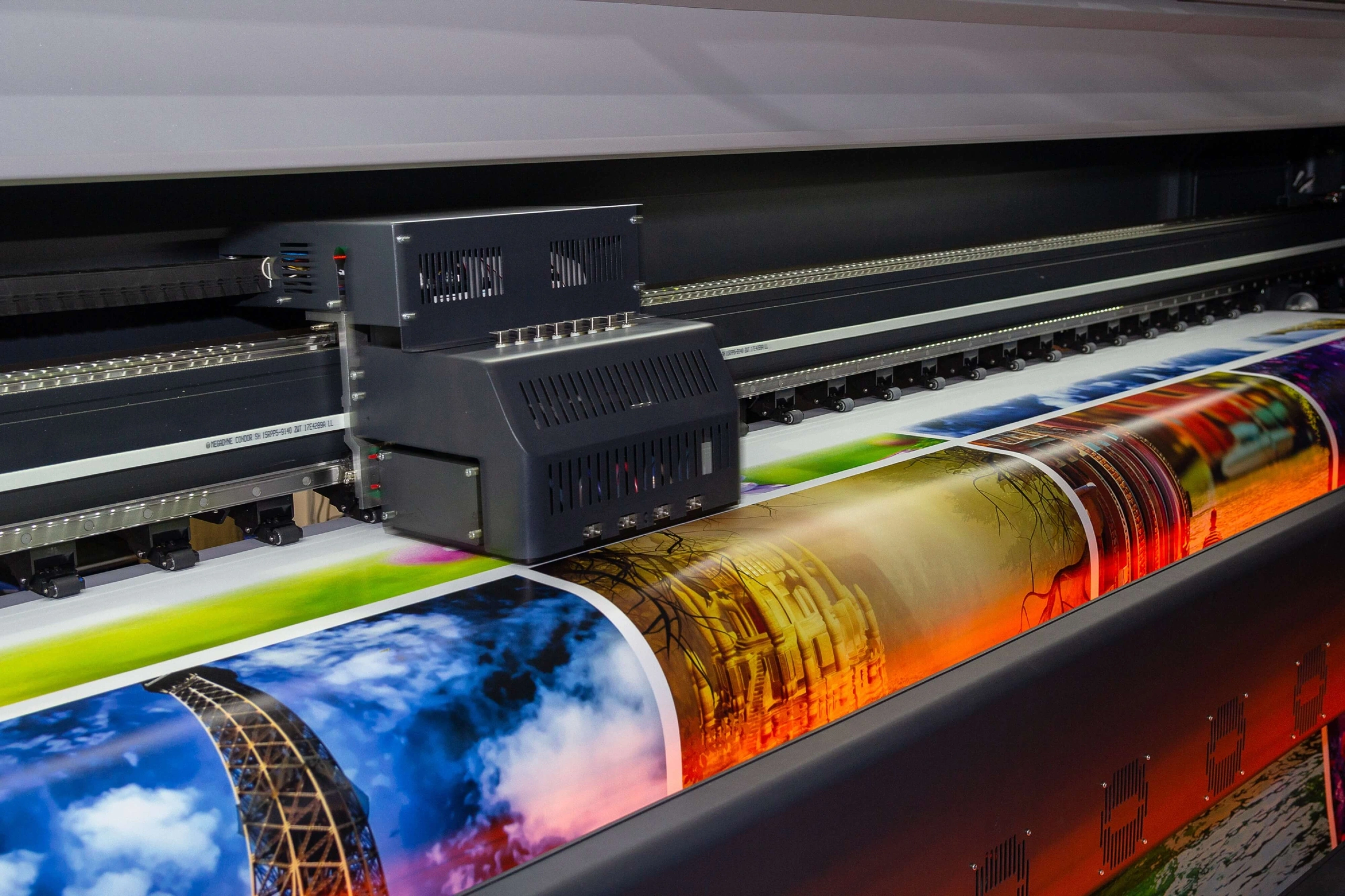
Ink is one of the earliest recorded human inventions. It has printed all the books and writings now within reach on your desk, garnished cave walls, been written on papyrus, and paved the way for Gutenberg's Bible.
There is toner, of course. Toner is a crucial element for laser printers and photocopiers, enabling the creation of text and images on paper. It's typically housed in a toner cartridge. While early toners consisted of carbon powder and iron oxide, modern formulations incorporate granulated plastic, such as polypropylene, styrene acrylate copolymer, or polyester resin. In this quick guide, you will learn what a toner is and how it is different from ink and many more:
What is Printing Toner?
Toner is a powder used to create printed images on various surfaces. Early toners were a mix of carbon powder, iron oxide, and sugar, but today's toners mix carbon powder with a polymer. These modern toners often come in cyan, magenta, yellow, and black. The electrostatic properties of toner particles allow them to form an image on a surface using static electricity, which is then bonded using heat and pressure.
What is Laser Printer Toner?
Laser printer toner is essential for producing high-quality prints. The process involves several steps:
- A laser projects an electrostatic charge onto a rotating metal drum.
- Toner particles are deposited on the drum's surface, adhering only to the areas where the laser has altered the electrical charge.
- The toner then passes through a fuser unit, which uses high levels of pressure and heat to melt the toner particles and fuse them to the paper.
This precise printing process is particularly useful for creating professional materials such as brochures, shell schema panels, and business cards, where clarity and vibrant colours are essential. Laser printers often use cyan, magenta, yellow, and black (CMYK) toner cartridges to produce a wide range of colours.
How Does a Toner Printer Work?
Toner printers, also known as laser printers, operate through a specific process:
- The laser projects an electrostatic charge onto a printing drum.
- Toner powder is now collected and then transferred to the paper by the charged printing drum.
- The paper is heated to melt the toner particles, ensuring the print sets properly.
which uses plates and wet ink for large-scale production, toner printers provide a faster and more efficient solution for producing high-quality prints on demand, making them ideal for everyday office use and smaller print runs.
What Does Printer Toner Do?
The printer toner forms the text and images on paper using static electricity. The electrostatic properties of toner particles allow them to create an image on a substrate, which is then bonded using heat and pressure.
Differences between Ink vs. Toner
While both ink and toner are used in printers, they have key differences:
Feature | Ink | Toner |
Material | Liquid tinted with dyes | Fine powder made from polyester |
Printer Type | Inkjet printers | Laser printers |
Application | Ink droplets are squirted through nozzles onto the page | The toner adheres to an electrostatically charged drum and is fused |
Cartridge Type | Ink cartridges with airtight foil compartments | Cylindrical containers filled with toner powder |
Printing Cost | Can be more expensive for high-volume printing | Generally more cost-effective for high-volume printing |
Print Quality | High resolution, better for photographs | Sharp text, suitable for documents |
Maintenance | May require more frequent replacement of cartridges | Less maintenance due to longer-lasting cartridges |
Advantages of Using Toner
Below are some of the perks of using toners
- High-Volume Printing: Some toner cartridges can yield up to 50,000 pages on average, making them ideal for businesses that require bulk printing, such as producing brochures, flyers, or wayfinding signs.
- Cost Efficiency: Toner cartridges offer a lower cost per page compared to ink cartridges. Laser Printer Toner Cartridges generally provide page yields in the thousands, bringing per page costs down with many models providing costs of around 1p per page.
- Sharp Results: Toner-based printers produce sharper text and graphics. For black and white text with small fonts or intricate details, lasers perform better.
- Less Maintenance: Toner printers typically require cartridge replacements that are less frequent than inkjet printers.
Considerations for Businesses and Users in the UK
In the UK, both businesses and home users can benefit from understanding toner printers. For businesses requiring frequent, high-volume printing, laser printers with toner cartridges are a practical choice. While the upfront investment may be higher, the long-term cost savings and efficiency make them a worthwhile investment.
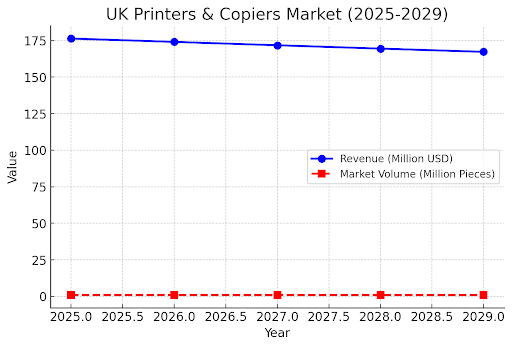
A report by Statista states that the revenue generated within the printers and copiers market in the UK will grow to US$176.4m in 2025.
For home users who print occasionally and require high-quality colour prints, inkjet printers may be more suitable. However, for those who print documents regularly, a monochrome laser printer can be a cost-effective solution.
Get High-Quality Output with Printing Toner!
Toner is a powder mixture used in laser printers to create text and images on paper. It works through an electrostatic process, where toner particles are fused to the paper using heat and pressure. While toner cartridges may be more expensive upfront, they offer numerous advantages, including cost efficiency, high-volume printing capabilities, and sharp print quality. By understanding what printer toner is and how it works, both businesses and home users in the UK can make informed decisions to meet their printing needs.

An enthusiastic Graphic Designer professional with strong communication and organisational skills, who is passionate about creating and developing innovative ideas with the client to help them get their business noticed. I work to the highest standards and have an excellent eye for detail with skills in design and organisation. I am a dependable and productive worker whose honesty and integrity provides effective leadership and builds excellent relationships. I enjoy innovatively…
