Plexiglass Signs: Why Use Them for Effective Advertising
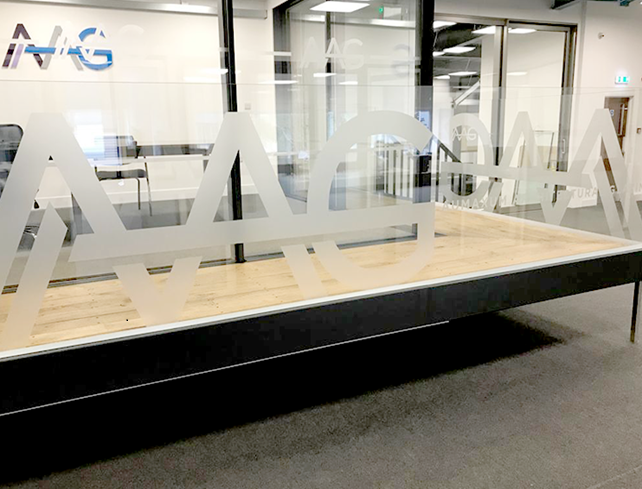
In the world of advertising, material choice can make or break your brand’s visibility. Plexiglass, a clear and durable acrylic sheet, has emerged as a preferred signage material for businesses seeking impact, elegance, and reliability. But what is plexiglass exactly, and why is it gaining traction in signage design? This blog explores what plexiglass is made of, how it compares to glass, and why it’s a standout choice for creating striking, professional signage across retail, office, and outdoor environments.
What is Plexiglass Made of? (Plexiglass Meaning and Material)
Plexiglass (sometimes spelt plexyglass) is a transparent plastic material made from a polymer called polymethyl methacrylate (PMMA). In simple terms, plexiglass is a type of acrylic. This means plexiglass and generic acrylic are essentially the same material, often referred to as acrylic glass because it looks like glass but is actually plastic. So, what material is plexiglass? As a thermoplastic acrylic, it softens with heat and can be remoulded into various forms. The plexiglass structure is rigid at room temperature but can be heat-formed into shapes, giving it excellent versatility for signage and displays.
Plexiglass, in its unprocessed form, appears clear, colourless, and glass-like. Plexiglass is also lightweight – about half the weight of an equivalent glass panel. Despite being light, it is shatter-resistant and durable since acrylic has higher impact resistance than glass. In short, plexiglass is a plastic sheet that gives you the clarity of glass without the fragility.
Another name for plexiglass is simply acrylic sheet. You might also hear terms like Perspex or Lucite. As Perspex is a branded version of acrylic commonly recognised in the UK, one might ask—are they effectively the same material? Yes – Perspex, Plexiglas, Lucite, and acrylic all refer to the same basic material (PMMA plastic).
Plexiglass vs. Glass: Why Plexiglass is Preferred for Signage
One key question offline advertisers ask is: Is plexiglass glass or as good as glass? Plexiglass is often called acrylic glass because it can look nearly identical to glass once installed. However, when it comes to signage, plexiglass presents multiple advantages over traditional glass:
Feature | Plexiglass (Acrylic) | Traditional Glass |
Clarity | Higher light transmission, often clearer than glass, with less glare. Enhances sign visibility and gives a glossy, professional look. | Reflects more light, which can cause glare and reduce visibility in signage. |
Weight | Roughly half the weight of glass, making it easier to handle, hang, and install. | Heavier and requires more robust mounting hardware, especially for larger signage. |
Shatter Resistance & Safety | 20X more impact-resistant than glass in some grades. Doesn't shatter into dangerous shards. Ideal for high-traffic or outdoor signage. | Brittle and prone to shattering, which can pose a safety risk in public or exposed areas. |
Weather Resistance | Resistant to UV, moisture, and temperature changes. Doesn’t yellow or corrode easily, making it ideal for outdoor use. | May weaken or discolour over time due to UV and weather exposure unless specially treated. |
Cost & Customisation | Easier to cut, shape, and print on. More budget-friendly while offering a premium appearance. | Typically, more expensive to cut or customise. Higher production and installation costs. |
In summary, plexiglass gives the look of glass while outperforming it in toughness and practicality. It’s no surprise that many offline advertisers use plexiglass signs as an alternative to traditional glass signs or Glass Manifestation films for a modern, sleek appearance with fewer drawbacks
Acrylic, Plexiglass, Perspex – Different Names, Same Product?
Let’s clear up terminology, since you might see 'plexiglass', 'acrylic', and 'Perspex' used interchangeably. Is plexiglass acrylic? Absolutely – plexiglass is acrylic. All plexiglass is a form of acrylic plastic. However, not all acrylic goes by the name 'Plexiglas'.
- “What is plexiglass?” – ‘Plexi’ is a widely accepted informal term derived from the word ‘plexiglass’. It refers to the same acrylic material. You might hear sign makers talk about a “plexiglass sign”, meaning an acrylic sign.
- Another name for plexiglass: As mentioned, common brand names for acrylic include Plexiglas, Perspex, Lucite, and even terms like 'acrylic glass' or 'acrylic sheet'. If you encounter these, know they all generally mean the same type of plastic. For example, define plexiglass: it’s simply an acrylic sheet of plastic.
- Are acrylic and Perspex the same? – Yes. Perspex is a trademarked name, but has become a generic term for acrylic in some places. If someone asks for a Perspex sign, they are asking for an acrylic (plexiglass) sign. The Perspex structure and properties are identical to any quality acrylic sheet – clear, strong, and versatile.
In practical signage terms, you don’t need to worry about the different names beyond understanding that they refer to similar materials. The key takeaway is that plexiglass = acrylic = perspex in the context of sign materials. When you request an acrylic sign, you will get the same beautiful, transparent plastic panel that people commonly call plexiglass. And yes, plexiglass is plastic, not glass – it’s just a very special plastic designed to look like polished glass.
What is Plexiglass Used For? Common Plexiglass Uses in Signage
Plexiglass (acrylic) has a wide range of uses beyond just signs – from picture frames to furniture – but in the advertising and signage world, its uses are particularly valuable. In what ways can businesses leverage plexiglass for promotional purposes? Here are some plexiglass uses relevant to offline advertising and displays:
Indoor Office Signs & Logos
- Ideal for lobby signs, company nameplates, and logo panels, plexiglass is a go-to choice for stylish and durable internal signage.
- Offers a crystal-clear, professional look.
- Typically installed using metal standoffs to create a floating three-dimensional appearance.
Retail Store Displays
- Used for hanging signs, product cut-outs, and point-of-sale displays.
- Perfect for menu boards, directories, and showroom graphics.
- Clarity enhances visual impact in windows and cabinets.
Illuminated and LED Signs
- Excellent for lightboxes, channel letters, and backlit signs.
- Special diffusing sheets ensure even lighting without hot spots.
- Great for creating glowing, attention-grabbing signage.
Outdoor Signs & Billboards
- UV-resistant and weatherproof for lasting performance.
- Extensively utilised for monument signs, highway displays, and property marketing signage.
- Offers greater strength and clarity compared to alternatives such as polycarbonate.
Exhibition & Event Signage
- Ideal for trade shows and temporary setups—lightweight, durable, and visually appealing.
- Easily shaped into logos and designs through CNC or laser cutting methods.
- Supports high-resolution printing for eye-catching visuals.
Other Uses in Signage
- Protective poster covers, art displays, and restaurant menu boards.
- Known for unmatched versatility and a sharp, long-lasting finish.
Beyond these, plexiglass is also used for protective screens (like poster covers or museum exhibit shields), art displays, menu boards, and more. Its versatility in signage is virtually unmatched – if you need a sign or display that looks sharp and lasts long, plexiglass is often the answer.
High-Impact Promotions with Plexiglass Signs
First impressions play a pivotal role in the effectiveness of offline marketing. A high-quality, well-designed sign can draw in customers from the street or wow them as they enter your business. With plexiglass signs, you achieve both standout aesthetics and reliable performance. They look like sleek glass installations but can handle the real-world demands of advertising displays.
We have seen how switching to acrylic plexiglass signs can transform a brand’s presence at a trade show booth, on a retail floor, or the side of a building. The colours pop, the material lasts, and the overall presentation signals that you’re serious about quality. Whether used for outdoor displays or internal signage like reception logos, directional boards, or branded office panels, plexiglass delivers consistent results. Plus, you have the flexibility to create anything from simple name plaques to elaborate illuminated billboards using the same base material.
If you’ve been wondering whether plexiglass is the right choice for your signage, the answer in most cases is yes. It’s acrylic, it’s plastic, not glass, and that’s exactly why it works so well. With plexiglass, you get a sign that is acrylic (perspex) through and through – meaning it’s built to be clear, tough, and beautiful. In the end, what matters is that your offline advertisement stands out and withstands the environment; plexiglass signs do both.
Conclusion
Plexiglass signs deliver a forward-thinking, polished alternative for offline promotional efforts. Combining the clarity of glass with the strength and flexibility of acrylic, they are ideal for businesses seeking professional, long-lasting signage. Whether used indoors or outdoors, plexiglass enhances brand visibility with sleek aesthetics and reliable durability. Its versatility across various applications—from lobby signs to illuminated displays—makes it a top choice for impactful promotions. For advertisers, plexiglass isn’t just signage—it’s a strategic asset that elevates the brand presence.

A digital and print specialist with over decades of experience ranging from design to production, Nimesh is committed to quality and working with clients to add value to their businesses. His technical knowledge of print machinery operation is matched only by his love of the print industry.