
What is Car Wrapping? A Complete Guide to Vehicle Wraps
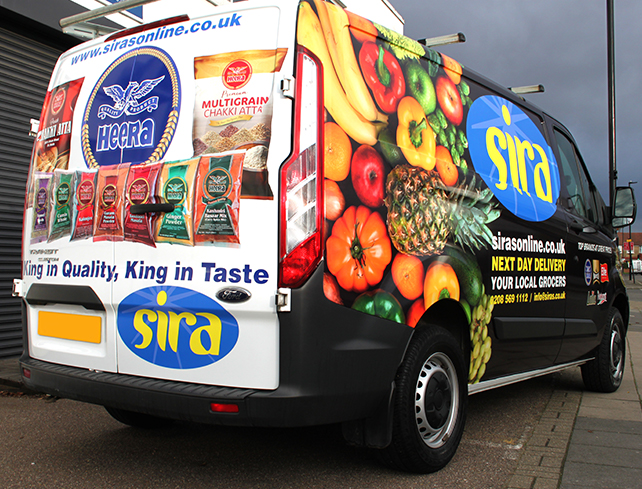
Whether you're considering changing the look of your car, exploring branding options for your business vehicles, or simply curious about how vehicle wrapping works, this guide covers everything you need to know. At Sign Company London, we have been wrapping commercial vehicles, vans, and cars for London businesses for over a decade — so you're in good hands.
Here we explain what car wrapping is, how the process works, the different types of wraps available, how much it costs, how long a wrap lasts, and how to look after it properly.
What is Car Wrapping?
Car wrapping, also referred to as 'vehicle wrapping', is the process of applying a thin adhesive vinyl film to the exterior surfaces of a vehicle. The film can cover the entire vehicle (a full wrap) or just specific panels (a partial wrap).
Vehicle wrapping is used for two distinct purposes. The first is aesthetic: changing the colour or finish of a vehicle without repainting it. The second is commercial: applying brand graphics, logos, contact details, and promotional messaging to business vehicles. For London businesses with company cars, vans, or HGVs, commercial vehicle wrapping is one of the most cost-effective forms of mobile advertising available.
The vinyl used in modern car wrapping is a precision-engineered film. It is thin enough to conform to complex vehicle curves, durable enough to withstand UK weather conditions, and — crucially — removable without damaging the original paintwork underneath.
How Does Car Wrapping Work?
The car wrapping process involves several stages:
1. Design
For commercial wraps, the process begins with design. A sign-maker or vehicle graphics company will create artwork that fits the specific make, model, and dimensions of your vehicle. For colour-change wraps, the customer simply selects the vinyl colour or finish they want.
2. Printing (for commercial graphics)
Commercial vehicle wraps are printed on large-format printers using UV-stable inks, then laminated to protect the graphics from weather, UV exposure, and abrasion. The output is inspected for colour accuracy and print quality before application.
3. Surface preparation
Before any vinyl is applied, the vehicle is thoroughly cleaned and decontaminated. Any wax, grease, or residue on the paintwork will prevent the vinyl from adhering correctly. In some cases, minor paint defects or trim pieces will be addressed at this stage.
4. Application
The vinyl is applied panel by panel by experienced installers. Heat guns and specialist tools are used to stretch and conform the film around curves, door handles, bumpers, and other complex surfaces. Air bubbles are eliminated during application. For a full wrap on a standard van, this process typically takes one to two days.
5. Finishing and inspection
Once applied, the wrap is inspected for any lifting edges, bubbles, or misalignment. Edges around door frames, bonnets, and bumpers are tucked and sealed. The finished vehicle is cleaned and returned to the customer.
Types of Car Wraps Explained
There are several distinct types of vehicle wrap, and the right choice depends on your goals and budget:
Full Wrap
A full wrap covers the entire exterior of the vehicle bonnet, roof, doors, bumpers, and mirrors. This is the most impactful option for both colour changes and commercial branding. It provides complete coverage and the most consistent finish.
Partial Wrap
A partial wrap covers specific panels or sections of a vehicle for example, the rear doors, sides, or bonnet only. For commercial use, a partial wrap can still deliver excellent brand visibility at a lower cost than a full wrap.
Spot Graphics
Spot graphics involve applying individual cut vinyl elements — logos, contact details, text, and simple icons — to specific areas of the vehicle. This is the most affordable option and is suitable for businesses that need basic vehicle identification alongside other branding formats. To explore the full range of sign and print formats we offer beyond vehicle graphics, see our full sign services.
Colour Change Wrap
A colour change wrap replaces the apparent colour of the vehicle without paint. Matte, gloss, satin, metallic, and specialist finishes (including chrome, brushed metal, and colour-shift) are available. For leased vehicles, a colour change wrap is the only viable option, as it is fully reversible.
Fleet Wrap
For businesses with multiple vehicles, a fleet wrap programme applies consistent branding across the entire fleet. This ensures brand consistency and typically benefits from economies of scale in production. See our dedicated van graphics and fleet wrapping service for full details on commercial vehicle branding in London.
Car Wrap vs. Paint: Which is Better?
This is one of the most common questions people ask about vehicle wrapping. The honest answer is that it depends on your goals:
Cost
For a standard colour change, a quality full vinyl wrap typically costs less than a professional respray, particularly for larger vehicles. The cost difference is more pronounced for complex finishes (matte, satin, or specialty colours) where a painted equivalent would require expensive preparation and specialist finishing.
Reversibility
This is the defining advantage of vinyl wrapping over paint. A vehicle wrap can be professionally removed without damaging the original paintwork, returning the vehicle to its factory finish. This matters for leased vehicles, for businesses that rebrand periodically, and for car enthusiasts who want to protect their original paint value.
Durability
A quality paint job on a well-prepared surface will outlast a vinyl wrap in terms of longevity. However, a wrap offers something paint cannot: protection of the underlying paintwork from stone chips, minor abrasions, and UV fading. Many prestige car owners use wraps specifically to preserve the original paint.
Speed
A professional vehicle wrap can be completed in one to two days. A full respray typically takes considerably longer, requiring the vehicle to be off the road for a week or more.
Flexibility
Wraps can be changed. A business that rebrands, a car owner who wants a different finish, or a fleet that needs to be updated — these are all straightforward with vinyl. Many prestige car owners use wraps specifically to preserve the original paint.aint is permanent (or expensive to change).
How Much Does Car Wrapping Cost?
Vehicle wrap costs vary significantly depending on the size of the vehicle, the type of wrap, the complexity of the design, and the quality of vinyl used. The following are indicative price ranges for the London market:
Vehicle / Wrap Type | Partial Wrap (approx) | Full Wrap (approx) |
Small car (e.g. Ford Fiesta) | £400 – £800 | £900 – £1,800 |
Mid-size car (e.g. BMW 3 Series) | £600 – £1,000 | £1,200 – £2,500 |
Large car / SUV | £700 – £1,200 | £1,500 – £3,200 |
Standard van (e.g. Transit) | £600 – £1,000 | £1,500 – £2,800 |
Large van / Luton | £800 – £1,400 | £2,000 – £3,500 |
HGV / Artic trailer | £1,500 – £2,500 | £3,500 – £7,000+ |
Chrome / specialty wrap | — | From £4,500+ |
These are indicative prices for quality vinyl from premium brands such as 3M, Avery Dennison, and KPMF, professionally installed. Prices include design for commercial wraps. For an accurate quote for your specific vehicle, contact our team.
How Long Does a Car Wrap Last?
Wrap lifespan depends on three main factors: the quality of the vinyl used, the installation quality, and how the vehicle is maintained. As a general guide:
- Calendered vinyl (entry-level): up to 3 to 5 years
- Cast vinyl (premium): 5 to 10 years
- Laminated commercial graphics: 5 to 7 years outdoors
Premium cast vinyl — the material we use for most commercial and full-colour wraps — is manufactured to higher tolerances, conforms better to vehicle curves, and resists UV fading and weathering far better than entry-level materials. For London businesses investing in fleet branding, cast vinyl is always the recommended choice.
How to Look After a Vehicle Wrap
Proper aftercare extends the life of a wrap significantly:
- Hand wash with a mild, pH-neutral shampoo and a soft microfibre cloth
- Avoid pressure washing directly at wrap edges — this can lift the vinyl over time
- Do not use solvent-based cleaning products, wax, or abrasive compounds on wrapped surfaces
- Park in a garage or covered area where possible to reduce UV exposure
- If a section of the wrap is damaged, have it repaired promptly — lifted edges can worsen and allow moisture ingress
For commercial fleet vehicles, we recommend establishing a simple maintenance schedule with your drivers to keep wraps looking their best for longer.
Car Wrapping for Business Vehicles in London
For London businesses with company vehicles, vehicle wrapping is one of the most cost-effective marketing investments available. A single wrapped van generates an estimated 30,000 to 70,000 impressions per day in an urban environment like London — at a fraction of the cost of equivalent digital or outdoor advertising.
Whether you have one van or fifty lorries, the principle is the same: every vehicle on the road is a moving billboard for your business. If you are also reviewing your static brand presence, you may find our shop sign ideas blog useful for thinking through how vehicle and shopfront branding can work together for maximum brand consistency.
Interested in Commercial Vehicle Wrapping in London?
Talk to our van graphics team about fleet branding, van graphics, and livery design. Call 020 8902 9298 or email sales@signcompany.london
Frequently Asked Questions
Does car wrapping damage the original paint?
No — provided the wrap is professionally applied and removed. Vinyl wrapping actually protects the original paintwork from stone chips, UV fading, and minor surface abrasion. When removed correctly by an experienced installer, it leaves the factory paint in the same condition as when the wrap was applied.
Can you wrap a leased vehicle?
Yes. Because a vinyl wrap is fully reversible, it is compatible with leased vehicles. The wrap must be removed before returning the vehicle at the end of the lease. We can advise on the best approach and provide removal as a service.
How long does the wrapping process take?
For a standard van with commercial graphics, allow one to two working days. More complex wraps or specialist finishes may take longer. We will give you an accurate timeline when you provide vehicle details.
Can I get my wrap repaired if it's damaged?
Yes. We carry stock of our most-used vinyl colours and can match commercial graphic sections for repairs. Where a section has been damaged, it is usually possible to replace individual panels rather than re-wrapping the entire vehicle.

An enthusiastic Graphic Designer professional with strong communication and organisational skills, who is passionate about creating and developing innovative ideas with the client to help them get their business noticed. I work to the highest standards and have an excellent eye for detail with skills in design and organisation. I am a dependable and productive worker whose honesty and integrity provides effective leadership and builds excellent relationships. I enjoy innovatively…
