What does Resolution Mean? A Comprehensive Guide!
When it comes to any visual element, one of the common terms that we often hear is resolution about different contexts. Whether dealing with screen clarity, image quality, or personal goals, striking the right resolution matters. But what does resolution mean? Resolution refers to the quality of visual elements like images, graphics, etc.
Understanding the resolution makes images sharper, clearer, and more comfortable. Resolution is considered for all media, whether cameras, television, hoardings, billboards, etc. This article will teach us about the different resolutions and the factors influencing them.
What does Resolution Mean?
Resolution is one of the prime factors the digital media, photography, and printing industry focuses on, indicating the importance of resolution. Usually, resolution is measured in terms of dots, pixels, or lines per inch.
The higher the resolution is, the better the quality of the images it generates. However, lower-resolution images have less sharpness, resulting in a blurry or pixelated appearance. So, understanding the core of resolutions is important if you run a business in the printing domain, billboards or want to put up estate agent signs.
What is a High Resolution Image?
A high-resolution image has enlarged pixels, making the details more crisp and vivid. High resolution is crucial to ensure the digital displays are sharp and clear, focusing on the quality of the image without letting its quality degrade.
For instance, professional photographers rely on high-resolution cameras to ensure every detail of the image they capture is absolute pitch-perfect. Hence, even when the images are enlarged, they remain sharp and do not become pixelated or blurry.
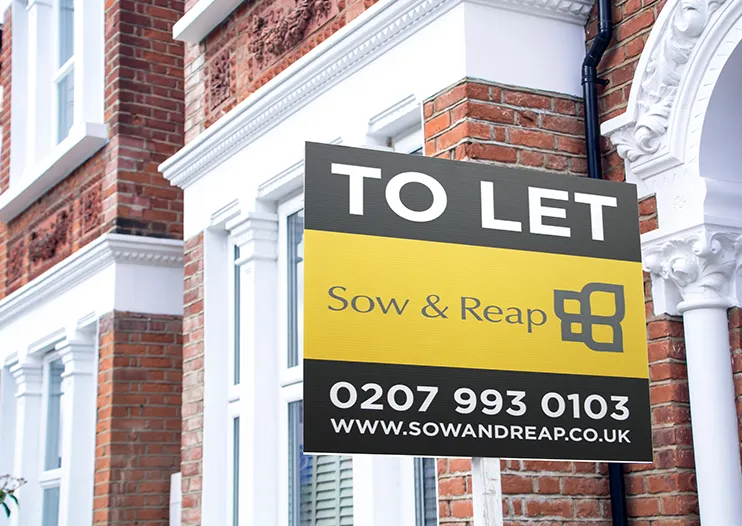
High-resolution images are critical for industries like printing media, especially for estate agent signs , where property photos, logos, and contact details need to be clear and professional. For example, a "For Sale" or "To Let" sign displayed outside a property must feature crisp images and bold typography to grab attention from a distance. Similarly, window displays in estate agency offices benefit from high-resolution graphics, ensuring property listings appear sharp and visually appealing to potential buyers.
What is Considered a High Res Image?
Several factors help determine whether a picture qualifies as a high-resolution resolution. Check out below to explore them!
Pixel Count
Pixel count is the total number of pixels a picture has. The higher the number, the better the resolution of the image. A picture with higher megapixels captures more detail. For instance, an image with 12MP, i.e. (4000*3000 pixels), is considered a better quality image with prominent details than a picture with 2MP, i.e. (1600*1200 pixels)
DPI
DPI stands for dots per inch. For digital media and printing industries, 300 DPIs are required, meaning that 300 dots of ink are needed for a high-quality output for every inch of a particular image. However, for web usage, a low 72 DPI is well-suited.
If you're wondering what is DPI, it refers to the measurement of image detail, making it a crucial factor in both digital and print media. Since DPI determines the sharpness and clarity of an image, it plays a vital role in producing high-quality prints for brochures, posters, and business signage while ensuring web graphics load quickly without sacrificing too much detail.
Image Format
Certain file formats such as PNG, RAW, and TIFF are ideal for retaining images with high resolutions in comparison to compressed formats such as JPEG.
Screen Resolution
For digital platforms, the screen resolution is measured in pixels, also known as (PPI), meaning pixels per inch. Therefore, an image with a higher PPI output indicated a better image quality with a sharper and more prominent display. Usually, high-end smartphones and monitors have high PPIs for a better visual experience. So, if you want to advertise estate agent signs online, you can do it effectively with a lower DPI.
What is the Best Resolution for Pictures?
According to the purpose of the pictures, the resolution varies, such as the following:
For HD Displays
For a high-quality display with clear picture quality, a resolution of 1920*1080 pixels (full HD) is necessary. However, to ensure sharper and vivid image quality, having a 4K resolution (3840*2160) is suggested.
For Professional Photography
For professional photographers, having a high-resolution camera that supports 24MP or more resolution is ideal for shooting sharper, detailed images. This ensures the pictures can be later displayed or printed in enlarged formats without compromising quality.
For Printing
If you own a professional printing business, you must ensure your images have a resolution of 300 DPI. Such a high resolution is usually ideal for printing brochures, pamphlets, posters, magazines, and more. Having a high DPI resolution ensures businesses stand out from the crowd by capturing the attention of their ideal audience base.
However, for larger printing materials, such as a sale free-standing display board, a DPI of 150–200 should suffice. This is particularly important for point-of-sale (POS) printing, where promotional banners, countertop displays, and hanging signs must maintain visual clarity without excessive file sizes. For example, a supermarket aisle display advertising a limited-time offer requires sharp product images and bold text to attract customers. Similarly, a checkout counter display promoting loyalty programmes should have crisp branding and readable details to enhance customer engagement.
What is Compression?
Compression is a method that helps in reducing the size of various digital files to help store and transfer them online quickly. The process is usually ideal for emails, web pictures, and digital media files to ensure smooth loading time without affecting the quality or effectiveness of the files.
What is Data Compression?
Data compression refers to minimizing the size of digital files such as audio, text, images, and videos. This not only makes file transmission on the internet quicker but also makes storage easy. There are several ways to compress digital files, such as:
● RAR and ZIP Formats: This compression format is used to compress various types of files into a single file, making storage and transfer easy.
● Huffman Coding: Used for reducing the file size of frequent data.
● Video Compression: Using better encoding, such data compression methods can reduce AVI, MP4, and MKV file sizes without compromising on clarity.
End Note
Maintaining high-end resolution in the printing, digital media, and photography industry is crucial for premium results. Compression not only helps manage digital files better but also ensures smooth management.
However, depending on the requirement, choosing the right resolution can be tough. To ensure you make the right choice for your needs, consult a professional to boost your content's detail, clarity, and usability while keeping its visual aesthetics intact.

An enthusiastic Graphic Designer professional with strong communication and organisational skills, who is passionate about creating and developing innovative ideas with the client to help them get their business noticed. I work to the highest standards and have an excellent eye for detail with skills in design and organisation. I am a dependable and productive worker whose honesty and integrity provides effective leadership and builds excellent relationships. I enjoy innovatively…