Seasonal Signage Strategies: How to Keep Your Brand Fresh Year-Round
Most businesses don’t realise when their signage starts losing impact. It doesn’t stop working overnight; it gradually becomes part of the background, noticed less and influencing fewer customer decisions over time. In busy environments where attention is limited, staying visible requires more than just having signage in place.
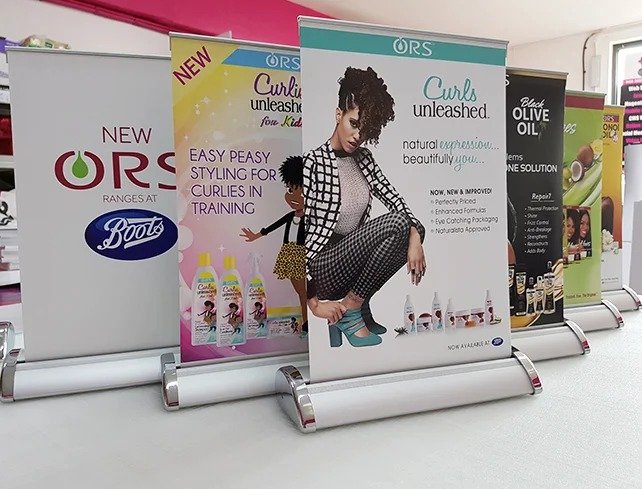
This is where a seasonal approach becomes important. By regularly updating hoarding signage and point-of-sale display stands to match changing campaigns and customer behaviour, businesses can maintain relevance, improve visibility, and create a more engaging experience throughout the year.
A Practical Seasonal Signage Strategy for Year-Round Impact
Most businesses don’t struggle with signage because of design — it’s usually the lack of a clear approach behind it. Once you start treating it as something ongoing rather than occasional, things begin to work a lot better.
1. Define Clear Objectives for Each Season
Before making any design changes, start with clarity. Each season should serve a specific purpose.
- Brand awareness campaigns need bold, high-impact visuals
- Promotional periods require urgency and clear offers
- Product launches should focus on highlighting key features
When your objective is clear, your hoarding signage and point of sale display stands become tools for achieving results — not just visual elements.
2. Align Signage with the Customer Journey
Different types of signage influence customers at different stages. A well-planned approach ensures each touchpoint supports the next.
Customer Moment | What’s Actually Happening | What Your Signage Should Trigger |
Walking past your location (often distracted, not actively looking) | Split-second decisions: they either notice you or ignore you completely | Hoarding signage should create instant recognition with bold visuals and a single clear message that can be understood in under 3 seconds |
Inside but not fully engaged (casual browsing, low commitment) | Customers are scanning, comparing, and deciding whether to spend time | Use in-store visuals to guide attention toward key products or categories instead of overwhelming them with choices |
Near purchase point (already holding products or considering options) | Final hesitation price sensitivity, value comparison, or impulse decision | Point-of-sale display stands should remove doubt with clear pricing, offers, or bundle value that makes the decision easier |
3. Use Hoarding Signage to Capture Seasonal Attention
Large-format hoarding signage plays a critical role in attracting attention from a distance. It’s often the first interaction customers have with your brand during a campaign.
To make it effective:
- Update it ahead of key seasonal periods
- Keep messaging bold and easy to absorb in seconds
- Focus on one clear campaign message
Whether it’s a festive promotion or a new launch, well-timed hoarding signage ensures your brand stands out before customers even step inside.
4. Use Point of Sale Display Stands to Drive Conversions
Once customers are inside, the focus shifts to influencing decisions. This is where point-of-sale display stands become essential.
They are most effective when:
- Offers are clearly visible and time-sensitive
- Products are easy to understand and access
- Placement matches customer movement
Store Zone | Customer Behaviour | POS Strategy That Works |
Entrance | Quick scanning | Highlight top promotions using point-of-sale display stands |
Mid-store | Comparing products | Reinforce value with bundles or key features |
Checkout | Final decision | Encourage impulse purchases with clear offers |
Well-placed point of sale display stands can significantly increase conversions without requiring major changes elsewhere.
5. Plan a Year-Round Signage Calendar
Keeping your signage fresh requires planning, not last-minute updates. A structured calendar ensures your messaging always feels timely.
Phase | Customer Shift | Signage Focus |
Post-peak (Jan–Feb) | More price-sensitive, slower decisions | Use point-of-sale display stands to highlight clear value (bundles, price drops) rather than generic discounts |
Pre-campaign (4–6 weeks before peak) | Awareness building, low urgency | Refresh hoarding signage with teaser messaging to create early interest |
Peak periods | High intent, quick decisions | Keep messaging consistent across hoarding signage and point of sale display stands with one clear campaign focus |
Post-campaign | Lower urgency, selective spending | Simplify messaging and shift focus to core products or everyday value |
This approach helps both your hoarding signage and point-of-sale display stands stay aligned with customer expectations.
6. Maintain Consistent Messaging Across All Signage
Consistency builds recognition. If your outdoor and in-store messaging feels disconnected, the overall impact weakens.
To keep everything aligned:
- Maintain a single campaign theme across all formats
- Use consistent colours, tone, and core messaging
- Ensure a clear visual connection between the hoarding signage and the point of sale display stands
A unified approach creates a stronger and more memorable brand experience.
7. Measure Performance and Optimise Regularly
Seasonal signage should evolve based on real performance, not assumptions. Without measuring what’s working, it’s difficult to know where improvements are needed.
Focus on tracking:
- Changes in footfall after updating hoarding signage
- Sales uplift linked to point of sale display stands
- Overall campaign performance across different periods
Even small adjustments in placement, messaging, or timing can lead to measurable improvements over time.
Keeping Your Brand Consistently Relevant Throughout the Year
Staying visible isn’t just about being present; it’s about staying current and adapting to what your customers expect to see. When signage is refreshed regularly, it signals that your business is active, relevant, and aligned with what’s happening at that moment.
Over time, this consistency builds familiarity and trust. Customers are more likely to engage with a space that feels updated and intentional, rather than one that looks unchanged.
When external visibility and the in-store experience support each other, the journey feels more complete. Attention doesn’t just stop at noticing your brand, it carries through to interaction and, ultimately, action.
Conclusion
Seasonal signage isn’t about making constant changes — it’s about making the right changes at the right time. When updates are planned and aligned with customer behaviour, signage becomes a consistent driver of visibility and engagement rather than just a static element.
By combining strong exterior signs with a well-considered in-store experience, businesses can create a seamless journey that not only attracts attention but also supports better decision-making throughout the space.
If you’re planning seasonal updates, it’s worth getting the structure right from the start. You can explore our signage options or simply book a consultation to discuss what would work best for your space.

A digital and print specialist with over decades of experience ranging from design to production, Nimesh is committed to quality and working with clients to add value to their businesses. His technical knowledge of print machinery operation is matched only by his love of the print industry.