
LED vs Traditional Neon: Choosing the Right Option for Your Business
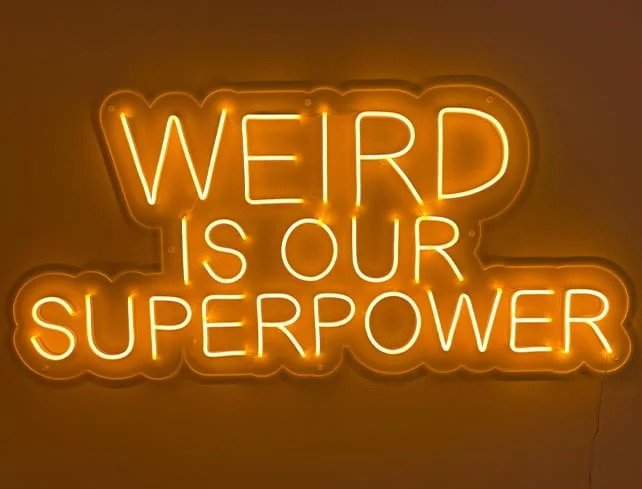
Signage is often the first interaction customers have with a business. Before someone reads a review or enters your premises, they see your sign. Because of this, choosing the right illuminated signage is more than a design decision — it’s a business decision.
For decades, neon lighting defined shopfront visibility. Today, LED technology has transformed the signage industry, offering a modern alternative. Both options create a strong visual impact, but they differ in cost, maintenance, durability, and practicality.
If you are deciding between classic neon signs for business and modern illuminated solutions, understanding the differences will help you invest wisely.
Understanding Traditional Neon Signs
Traditional neon signs use glass tubes filled with gas that glows when electricity passes through it. Skilled craftsmanship shapes each tube by hand, giving neon its distinctive character.
Why Businesses Still Choose Neon
- Authentic vintage appearance
- Warm glow that feels artistic
- Highly recognisable for hospitality venues
- Strong brand personality
Neon signs are popular in cafés, bars, restaurants, and creative studios because they communicate atmosphere as much as information.
Understanding LED Signs
LED signage uses flexible light strips or modules to mimic the look of neon while operating through modern electronics. Instead of gas illumination, LEDs emit light directly through small diodes.
Key Benefits Of LED Signage
- Energy efficient
- More durable
- Lower maintenance
- Flexible installation
Most modern exterior signs now rely on LED lighting because of its reliability and long-term performance.
Visual Appearance: Character vs Precision
Both lighting types are bright, but they feel different.
Feature | Neon | LED |
Light quality | Warm and soft | Crisp and sharp |
Style | Vintage and artistic | Clean and modern |
Branding feel | Emotional | Professional |
Customisation | Hand-shaped | Digitally designed |
Neon works well when ambience matters. LED suits businesses aiming for clarity and contemporary branding.
Energy Efficiency and Running Costs
Energy usage is one of the biggest differences.
Factor | Neon | LED |
Power consumption | High | Low |
Monthly electricity cost | Higher | Lower |
Heat output | Warm | Cool |
Environmental impact | Greater | Reduced |
LED signage typically uses up to 70–80% less electricity than traditional neon. For businesses running signs daily, the long-term savings become significant.
Durability and Maintenance
Neon signs are fragile because they are made from glass tubes. Even a minor impact can cause damage. LEDs, however, are made from flexible materials and protected components.
Maintenance Factor | Neon | LED |
Break resistance | Low | High |
Weather tolerance | Moderate | Strong |
Repair frequency | Higher | Lower |
Lifespan | 8–12 years | Up to 50,000 hours |
For busy commercial areas or outdoor placement, durability often becomes the deciding factor.
Safety Considerations
Safety matters, especially in public or customer-facing spaces. Neon signs operate at high voltage and can become warm during operation. LED signs operate at lower voltage and remain cool.
This makes LED safer for:
- Retail interiors
- Public walkways
- Enclosed environments
- Long operating hours
Installation Flexibility
Traditional neon must be installed carefully due to fragile glass and specific mounting requirements. LED signage is lighter and easier to mount across various surfaces.
LED can be installed on:
- Acrylic panels
- Metal backings
- Walls
- Windows
Neon often requires reinforced mounting and specialist handling.
Branding and Atmosphere
The choice between LED and neon often depends on brand identity.
Choose Neon if Your Business is:
- A bar or lounge
- A vintage café
- A creative studio
- A themed restaurant
Choose LED if Your Business is:
- Retail or corporate
- Healthcare or professional services
- High-traffic commercial
- Outdoor storefront
Cost Comparison
Initial costs can sometimes favour neon for small designs, but long-term ownership tells a different story.
Cost Factor | Neon | LED |
Initial price | Moderate | Slightly higher |
Electricity cost | High | Low |
Maintenance | Frequent | Minimal |
Long-term cost | Higher | Lower |
Over several years, LED signage is usually more economical.
Outdoor Performance of LED and Neon Signs
Outdoor signage faces weather, temperature changes, and continuous operation.
LED performs better outdoors because:
- It resists vibration
- Handles temperature variation
- Maintains brightness
- Requires less servicing
This is why most modern storefronts now favour LED-based illuminated signs.
Environmental Impact
Businesses increasingly consider sustainability. LEDs consume less energy and require fewer replacements, reducing waste and carbon footprint. Neon, while visually appealing, uses more power and requires specialised disposal due to gas components.
Making the Right Decision
The right option depends on what you want customers to feel.
Priority | Better Option |
Atmosphere and nostalgia | Neon |
Efficiency and reliability | LED |
Outdoor durability | LED |
Artistic statement | Neon |
Long-term savings | LED |
Final Thoughts
Both neon and LED signage can attract attention and enhance brand visibility. Neon offers charm and character that works beautifully in hospitality and creative settings. LED delivers efficiency, durability, and consistent performance suited for modern businesses.
Rather than asking which is better overall, consider what fits your brand identity, location, and operational needs. A sign is not just lighting — it represents your business before customers even step inside. Choosing the right illuminated signage ensures your brand remains visible, memorable, and effective for years to come.

A digital and print specialist with over decades of experience ranging from design to production, Nimesh is committed to quality and working with clients to add value to their businesses. His technical knowledge of print machinery operation is matched only by his love of the print industry.
