
How Signage Can Bridge the Gap Between Offline and Online Branding
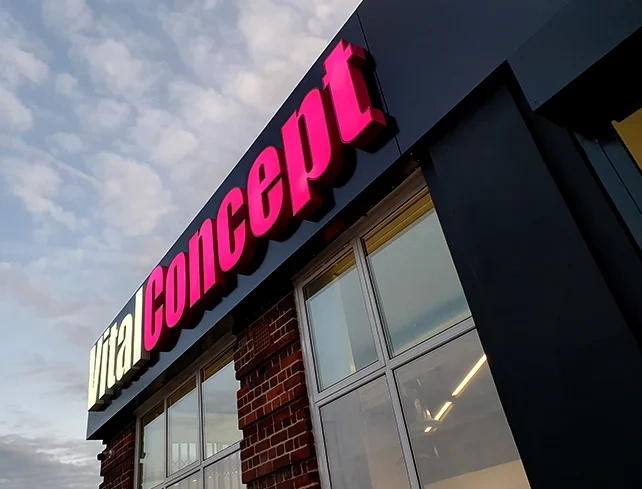
With the advent of the technological landscape and ever-flourishing media of marketing, sticking to those traditional ways for marketing won’t work. In 2026, businesses are no longer relying only on digital marketing to capture attention. While online presence is essential, physical branding has become just as critical—and that’s where signage is making a powerful comeback.
From high-street retail to corporate offices, signage is no longer just about displaying a name. It has evolved into a strategic marketing tool that influences customer behaviour, enhances brand visibility, and directly impacts sales.
So, how exactly are smart businesses using signage to stay ahead in 2026? Let’s break it down.
The Role of Signage in Driving Customer Behaviour
Walk into any successful store or commercial space, and you’ll notice one thing — signage is everywhere, working quietly in the background.
From shopfront branding to in-store displays and signage:
- Guides customers
- Communicates offers
- Builds brand perception
In fact, signage acts as a “silent salesperson” that continuously influences buying decisions and improves the overall customer experience.
The Rise of Smart & Digital Signage
One of the biggest shifts in 2026 is the move towards intelligent signage systems.
Modern signage is no longer static. It is:
- Dynamic
- Data-driven
- Interactive
Businesses are now using AI-powered displays that adapt content in real time based on customer behaviour, weather, or even time of day.
This level of personalisation allows brands to deliver the right message at the right moment, increasing engagement and conversions.
Outdoor Visibility is the New Competitive Edge
In crowded marketplaces, first impressions matter more than ever.
That’s why businesses are investing heavily in outdoor signs — not just for visibility, but for impact.
Strong external signage helps:
- Capture attention instantly
- Increase walk-ins and footfall
- Reinforce brand identity
Eye-catching shopfront displays and large-format signage are proven to attract customers even before they step inside.
In-Store Signage That Drives Sales
Once customers enter a space, the role of signage shifts from attraction to conversion.
This is where POS display strategies come into play.
Point-of-sale signage helps:
- Highlight promotions
- Encourage impulse buying
- Simplify decision-making
Studies show that effective in-store signage can significantly influence purchasing behaviour and shorten decision time.
In 2026, brands are designing POS displays not just to inform — but to persuade.
Blending Physical and Digital Experiences
The biggest trend shaping signage today is integration.
Businesses are combining:
- Physical signage
- Digital screens
- Online campaigns
This creates a seamless omnichannel experience where messaging stays consistent across platforms.
For example:
- A digital ad online → leads to store visit
- Store signage → reinforces the same message
This alignment strengthens brand recall and improves customer trust.
Data-Driven Signage Strategies
In 2026, signage is no longer guesswork — it’s measurable.
Businesses now track:
- Customer engagement
- Dwell time
- Conversion rates
Digital signage systems provide real-time analytics, helping brands optimise their messaging and placement. This shift from static to data-driven signage is one of the biggest reasons businesses are gaining a competitive edge.
Creating Immersive Brand Experiences
Modern consumers expect more than just products — they want experiences.
Signage plays a huge role in creating that.
From interactive screens to immersive displays, brands are using signage to:
- Tell stories
- Showcase products creatively
- Engage customers emotionally
Innovations like 3D displays and AR-based signage are redefining how customers interact with physical spaces.
Sustainability in Signage
Another key trend in 2026 is sustainability.
Businesses are moving towards:
- Energy-efficient LED signage
- Digital displays (reducing print waste)
- Eco-friendly materials
This shift not only reduces environmental impact but also aligns with customer expectations for responsible brands.
Why Signage is a Must-Have Competitive Tool
Let’s summarise why signage is becoming essential:
- It Drives Footfall: Strong external visibility attracts new customers.
- It Increases Sales: Strategic in-store signage influences buying decisions.
- It Builds Brand Identity: Consistent signage strengthens recognition and trust.
- It Enhances Customer Experience: Clear, engaging signage improves navigation and satisfaction.
- It Supports Marketing Campaigns: Signage acts as a physical extension of digital marketing.
Real Business Impact of Signage
The numbers speak for themselves:
- Businesses using digital signage report increased sales and engagement
- Customers are more likely to enter stores with attractive signage
- Interactive displays improve customer interaction significantly
This proves that signage is no longer optional — it’s a growth tool.
Common Mistakes Businesses Still Make
Even in 2026, many businesses underutilise signage.
- Treating Signage as Decoration: Instead of using it strategically, some brands focus only on aesthetics. While good design matters, signage should also communicate value, guide customers, and influence decisions — not just “look good".
- Ignoring Placement: Poorly positioned signage can go completely unnoticed, no matter how well-designed it is. Placement should always consider customer flow, eye level, and high-traffic zones to maximise visibility and impact.
- Inconsistent Branding: A mismatch between online and offline messaging creates confusion and weakens brand recall. Consistent colours, tone, and messaging across all touchpoints are essential for building trust and recognition.
- Not Updating Content: Outdated signage can make a business appear inactive or behind the times. Regularly refreshing offers, visuals, and messaging keeps the brand relevant and engaging for returning customers.
The Future of Signage: Driving Competitive Advantage
As markets become more saturated, businesses need more than visibility — they need relevance, speed, and personalisation. This is where the future of signage plays a critical role in staying competitive.
Key Trends Shaping the Future
- AI-powered personalisation: Signage will adapt in real time based on customer behaviour, location, and preferences. This allows businesses to deliver highly relevant messages, increasing engagement and conversion rates.
- Interactive and touchless technology: From motion sensors to QR-based interactions, signage will create seamless and engaging customer experiences while improving convenience and accessibility.
- Smart city integration: Signage will become part of connected urban ecosystems, allowing businesses to reach audiences through data-driven, location-based displays across cities.
- Hyper-local targeting: Businesses will be able to tailor messaging to specific neighbourhoods, demographics, or even time-based audiences, making campaigns far more effective.
Why This Matters for Businesses
These trends are not just innovations — they are competitive tools.
Businesses that embrace advanced signage solutions can:
- Deliver personalised customer experiences
- Respond quickly to changing behaviour
- Stand out in crowded markets
- Improve both visibility and conversions
As the gap between digital and physical marketing continues to close, signage will evolve into a central strategy for businesses aiming to stay ahead in 2026 and beyond.
Final Thoughts
In 2026, signage is no longer just a branding tool — it’s a competitive advantage.
Smart businesses understand that:
- Visibility drives footfall
- Experience drives engagement
- Strategy drives results
By investing in the right combination of outdoor signs and pos display, businesses can transform their physical spaces into powerful marketing assets.
Because in a world full of noise, the brands that stand out visually are the ones that win.

An enthusiastic Graphic Designer professional with strong communication and organisational skills, who is passionate about creating and developing innovative ideas with the client to help them get their business noticed. I work to the highest standards and have an excellent eye for detail with skills in design and organisation. I am a dependable and productive worker whose honesty and integrity provides effective leadership and builds excellent relationships. I enjoy innovatively…
