Essential Health and Safety Signs: Types, Uses & Compliance
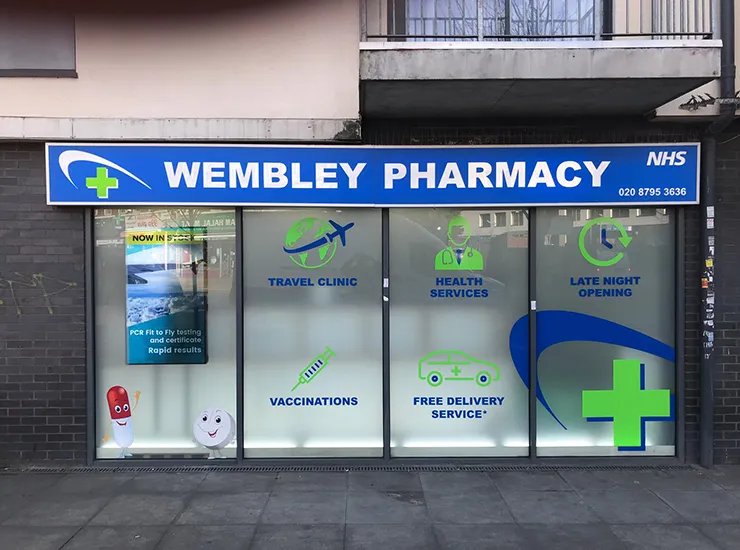
Health and safety signs play a pivotal role in maintaining order and reducing risks in environments like hospitals, workplaces, kitchens, and construction sites. This guide explores the different types of health and safety signs, their applications, and tips for proper placement and maintenance.
Importance of Health Signage in Various Settings
Effective health outdoor signage enhances awareness and keeps both staff and the public informed about safety protocols. Clear hospital signs provide essential information in healthcare settings, while health and safety signs in the workplace protect employees by marking hazardous areas.
1. Promotes Safety Awareness: Health and safety signs act as visual cues to highlight potential hazards and instruct necessary precautions. Whether it’s a first aid sign in a hospital or mandatory instruction in the workplace, they safeguard lives by guiding people effectively.
2. Regulatory Compliance: Following health and safety signs and signals regulations helps businesses avoid fines and ensures adherence to legal safety standards.
Types of Health Signage
Choosing the right type of signage depends on the location and specific needs. Here’s a breakdown of common health and safety signage types:
1. Medical Signage
Medical signage is tailored for hospitals and clinics, helping patients and staff navigate complex healthcare facilities.
- Hospital signs: These are often designed for directions, patient rooms, and wards, ensuring efficient movement within medical facilities.
- First aid sign: Easily identifiable, this sign shows the nearest location of first aid kits or stations.
2. Health and Safety Signage for Workplaces
Health and safety at work are paramount for employee well-being. Health and safety at work signs are critical for marking exits, equipment, and restricted zones.
- Health and Safety Warning Signs: Typically yellow with bold symbols to warn about hazards like electrical risks or slippery floors.
- Mandatory Health and Safety Signs: Blue signs that instruct actions, such as “Wear a Hard Hat.”
- Health and Safety at Work Signs: Cover a wide range of instructions tailored to specific workplace needs.
3. Health Signage for Specific Locations
Different environments have unique signage needs. For instance, health and safety signs in the kitchen reduce risks in food preparation areas, while health and safety signs for construction sites protect workers by clearly marking hazards.
- Health and Safety Signs in Kitchens: Focus on hygiene and safety in food preparation areas.
- Construction Site Signs: Mark restricted zones, falling object hazards, and equipment requirements.
Decoding Health and Safety Sign Colour Codes
- Blue Signs: Represent mandatory actions, such as wearing protective equipment.
- Yellow Signs: Serve as warnings to signal potential dangers, such as “Caution: Wet Floor.”
- Green Signs: Highlight safe conditions or exit routes.
- Red Signs: Indicate prohibitions or fire-related instructions.
Placement and Installation Tips for Health Signage
The positioning of health signage is crucial to its effectiveness. Follow these guidelines for optimal results:
1. Visibility: Place signs at eye level where they can be easily seen, especially in high-traffic areas to maximise visibility.
2. Location-Specific Installation: In areas like construction sites, ensure safety signs are strategically positioned to inform workers and visitors of any hazards.
Trends in Health and Safety Signage
Health signage continues evolving, integrating newer technologies and eco-friendly materials to meet functional and environmental standards.
1. Digital Signage: Interactive displays are increasingly used in hospitals and workplaces to deliver dynamic messages and real-time updates.
2. Eco-Friendly Materials: Companies are opting for sustainable materials to align with environmental goals, contributing to healthier spaces. Modern internal signage includes environmentally friendly options like recycled materials and energy-efficient LED displays.
Maintenance and Care Tips for Health Signage
To keep health and safety signs in the workplace effective, regular maintenance is essential:
1. Regular Inspections: Frequently check signs for wear and tear, particularly in high-risk areas like kitchens or industrial sites.
2. Cleaning and Replacement: Ensure signs remain clean and legible. Replace any damaged or faded signs promptly to maintain their effectiveness.
Conclusion
From hospital signs to health and safety at work signs, effective signage ensures that environments remain safe and compliant with regulations. By understanding their importance, types, and maintenance, you can foster safer spaces for everyone.
For professional signage solutions, explore our options to meet your specific needs, from durable materials to custom designs that align with safety standards.
For those interested in customised exterior solutions, check out door business signs options for durable, eye-catching signage that supports both functionality and brand appeal.

An enthusiastic Graphic Designer professional with strong communication and organisational skills, who is passionate about creating and developing innovative ideas with the client to help them get their business noticed. I work to the highest standards and have an excellent eye for detail with skills in design and organisation. I am a dependable and productive worker whose honesty and integrity provides effective leadership and builds excellent relationships. I enjoy innovatively…