A Complete Compliance Checklist for UK Signage
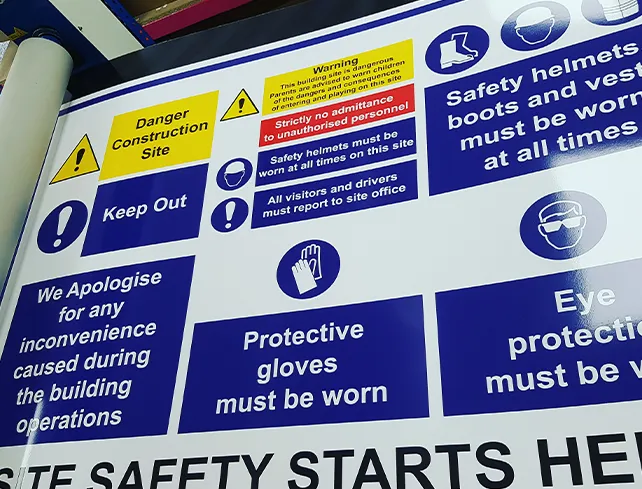
Following the signage is important for maintaining the safety of the site. According to the health and safety regulations of 1996, it has now become an important factor for the business to display clear safety signs.
These signs not only protect the worker but also reduce the chances of a possible hazard. Following these rules allows us to maintain safety while preventing possible accidents and avoiding signs. Proper signage ensures a safer and legally compliant construction site.
Step-by-Step Compliance Checklist for Construction Signage
Here are the steps which your business can follow while preparing for the construction signage for your project:
1. Identify Required Signage Types
The first step of staying compliant is knowing what signs are legally required on your construction site. There are four main categories for this which are: warning, mandatory, prohibition, and emergency signage.
Each type serves a distinct purpose. Warning signs alert workers to potential hazards, mandatory signs outline required safety actions, prohibition signs state what’s not allowed, and emergency signs guide people to safety.
It’s not just about installing signs. They must follow proper design standards, using the correct fonts, colours, and icons.
2. Choose Durable Materials for Signs
After identifying the necessary signages it is important to increase the focus towards the material. Construction environments expose signs to rain, wind, sunlight and physical impact.
Materials like acrylic and foamex are ideal as acrylic offers a polished, rigid finish, while foamex is lightweight and weather-resistant as these are well suited material outdoor signs.
3. Proper Placement of Signage
Having a proper sign is important but the placement of it is also a major factor. Poorly positioned can lead to increased risks.
Outdoor Signs should be displayed at entrances, along paths and near the danger zone having huge machinery.
Emergency signs should be posted along escape routes and near fire exits. Always arrange them so that they are visible, and make sure that nothing, such as fencing or materials, is blocking the view.
4. Ensure Visibility and Legibility
Your sign is only useful when it is easy for people to read and understand. Ensure that you make use of high colour contrast, larger text and simple layout.
Also, consider how far away people can read the sign from the higher traffic area. Stick to the clean font and use universal symbols.
Everyone on site, including those with visual impairments or language barriers, should be able to understand the message without difficulty.
5. Regular Inspection and Maintenance
Make sure that the signage is being inspected frequently. You can also set up a schedule to inspect a sign which you have installed and replace the sign if there is no requirement of the sign.
Keeping track of inspections and replacements isn't only good for your records; it also shows that your company is concerned about safety.
6. Documentation and Audits
Lastly, maintain the proper documentation of all your signage. Include the signs that are in use and when they were last checked.
Carry out regular audits, especially when the site layout changes or new risks come. If signs are missing, outdated or incorrect your business needs to face penalties.
Accurate record-keeping and audit allow you to stay committed to your site and compline with the various regulations.
Safe Signage, Safer Sites
Following proper signage regulations keeps your site safe and avoids costly penalties. A clear checklist helps you stay compliant. For peace of mind, consult signage experts to ensure everything’s in place.

An enthusiastic Graphic Designer professional with strong communication and organisational skills, who is passionate about creating and developing innovative ideas with the client to help them get their business noticed. I work to the highest standards and have an excellent eye for detail with skills in design and organisation. I am a dependable and productive worker whose honesty and integrity provides effective leadership and builds excellent relationships. I enjoy innovatively…